Innovative teaching methods are student-centric approaches that go beyond traditional lecture-based teaching to promote active participation, critical thinking, and deeper learning. The 10 most effective innovative teaching methods in 2026 are: Project-Based Learning, Visual Learning, AI-Assisted Teaching, Jigsaw Method, Flipped Classroom, Gamification, Inquiry-Based Learning, Problem-Based Learning, Role Play, and Blended Learning. These methods work best when supported by classroom technology like interactive smart boards.
Do you feel a lack of enthusiasm and engagement from students while teaching? Are traditional methods no longer holding attention in your classroom? You are not alone — and the solution lies in adopting innovative teaching methods designed for 21st-century learners.
In this comprehensive guide, you will find the 10 most effective innovative teaching methods for classrooms in 2026, with practical examples, primary school applications, and implementation tips. Whether you are a teacher, school coordinator, or educational leader, this guide gives you everything you need.
In this article, you will get to know –
- What is innovative teaching?
- Why is it needed?
- 10 Innovative teaching methods
1. What Is Innovative Teaching? Definition and Meaning
Innovative Teaching Meaning: Innovative teaching is a student-centric approach to education that emphasises active participation, critical thinking, collaboration, and the use of modern tools and strategies to make learning more engaging, personalised, and effective. It goes beyond traditional chalk-and-talk methods to create interactive, curiosity-driven classroom experiences.
Innovative teaching does not always mean using expensive technology. It is about shifting the focus from ‘teacher as information source’ to ‘teacher as learning facilitator.’ The goal is to ignite curiosity, develop 21st-century skills, and make every student an active participant in their own learning.
Innovative Teaching Full Form: There is no official acronym — the term refers to any modern, evidence-based approach that improves upon traditional lecture-based instruction.
2. What Are the 10 Methods of Teaching? Quick Reference
Here is a quick-reference list of the 10 most widely recognised innovative teaching methods used in modern classrooms:
| # | Teaching Method | Best For | Difficulty to Implement |
| 1 | Project-Based Learning (PBL) | All grades, STEM subjects | Medium |
| 2 | Visual-Based Learning | All grades, concept explanation | Easy |
| 3 | AI-Assisted Teaching | Class IX+, all subjects | Medium |
| 4 | Jigsaw Method | Group learning, social skills | Easy |
| 5 | Flipped Classroom | Self-directed learners, senior classes | Medium |
| 6 | Gamification | Primary to secondary, engagement | Medium |
| 7 | Inquiry-Based Learning | Science, curiosity development | Easy |
| 8 | Problem-Based Learning | Senior classes, real-world skills | Hard |
| 9 | Role Play | History, language, social studies | Easy |
| 10 | Blended Learning | All grades, hybrid classrooms | Medium |
3. Why Do We Need Innovative Teaching Methods?
Traditional teaching methods were designed for a different era. With classrooms of 40-60 students from diverse backgrounds, learning styles, and capabilities, a one-size-fits-all lecture approach simply cannot deliver quality education for every student.
📊 Research Insight: Flipped classroom models have been shown to increase test scores by up to 25% (Stanford University). Gamification improves retention rates by 35% (Duolingo study). AI-assisted teaching enables 40% faster concept mastery (IBM Education Research).
Here are the core reasons why innovative teaching methods are essential in 2026:
- Diverse classrooms — students have different learning styles (visual, auditory, kinesthetic) that a single method cannot address
- 21st-century skill demand — employers in 2026 prioritise critical thinking, collaboration, problem-solving, and communication over rote knowledge
- Reduced attention spans — digital natives need more engaging, interactive learning experiences
- NEP 2020 mandate — India’s National Education Policy explicitly calls for competency-based, activity-oriented teaching
- Student wellbeing — innovative methods reduce classroom anxiety and improve student confidence
- Technology readiness — students entering the workforce in 2030+ will need digital literacy from their school years
4. 10 Innovative Teaching Methods — Detailed Guide with Examples
#1 Project-Based Learning (PBL) — Best for Research & Critical Thinking
Project-Based Learning is one of the most research-backed innovative teaching strategies globally. UNESCO actively promotes PBL in partnership with India’s Ministry of Education under NEP 2020 guidelines. Instead of teachers delivering information, students investigate real-world problems or questions and present their findings.
How to Implement PBL:
- Choose an open-ended, real-world problem relevant to the curriculum
- Allow students to choose sub-topics within the project
- Assign roles — researcher, presenter, designer, editor
- Teacher acts as guide and resource provider, not lecturer
- Students present findings to the class — develops public speaking
PBL Examples for Indian Classrooms:
- Class VI–VIII: Design a water conservation system for your school
- Class IX–X: Research the impact of air pollution in your city
- Class XI–XII: Build a business plan for a local social problem
Skills developed: Research, project management, critical thinking, teamwork, time management
#2 Visual-Based Learning — Best for Concept Clarity & Engagement
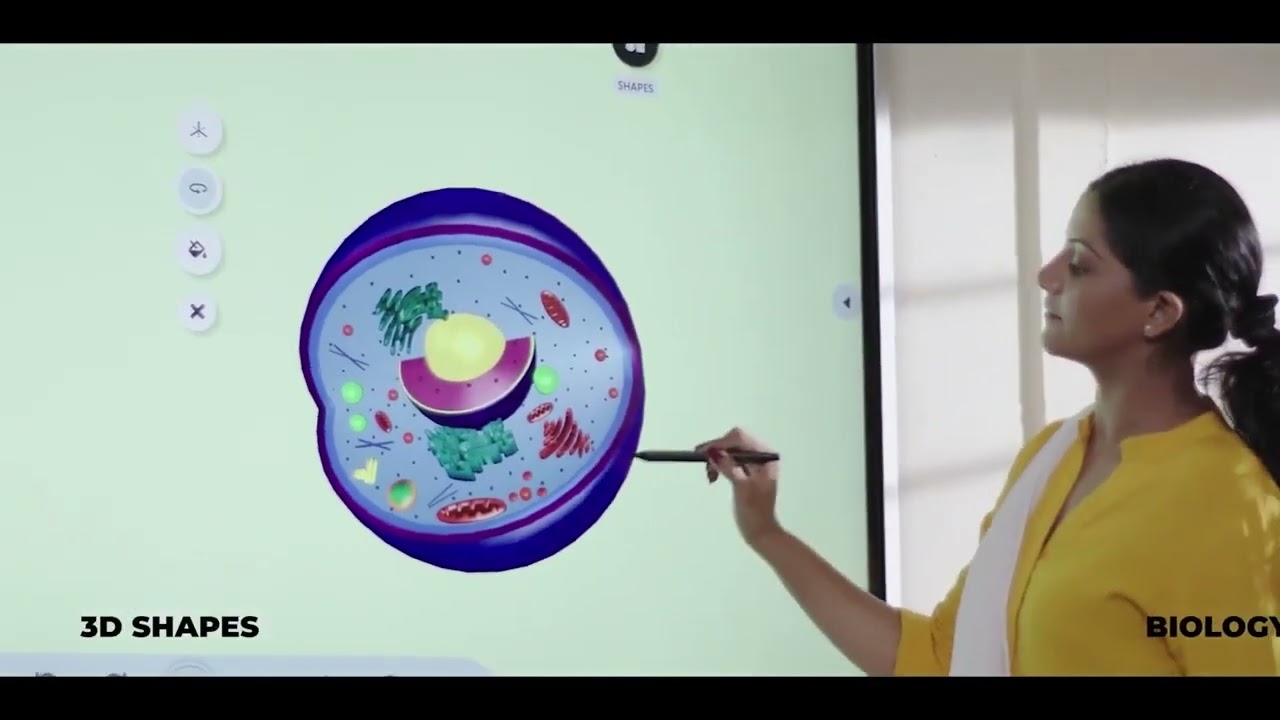
Visual-based learning leverages images, infographics, diagrams, 3D models, and videos to explain concepts. Research consistently shows that visuals improve information retention by up to 65% compared to text-only instruction. For subjects like human anatomy, chemistry, geography, and mathematics — visual learning is transformative.
How to Implement Visual Learning:
- Replace text-heavy slides with infographics and diagrams
- Use 3D models to explain complex structures (human body, molecular structures)
- Show concept-explanation videos before or during lessons
- Use colour-coded notes on interactive smart boards
- Use mind maps and flowcharts for revision
Visual Learning Examples:
- Science: 3D human anatomy model instead of textbook diagram
- Geography: Interactive map annotation on smart board
- Maths: GeoGebra visualisations for geometry and algebra
- History: Timeline infographics for historical events
#3 AI-Assisted Teaching — Fastest Growing Method in 2026
Artificial Intelligence is the most significant shift in classroom teaching in 2026. AI tools help teachers personalise learning, generate quizzes, create lesson summaries, translate content, and analyse student performance — saving hours of preparation time.
📊 IBM Education Research: Schools using AI-assisted teaching tools report 40% faster concept mastery and significant reduction in teacher preparation time.
AI Teaching Tools for Indian Classrooms:
- AI quiz generators — create subject-wise, class-wise assessments instantly
- AI content search — find curriculum-relevant images, videos, diagrams instantly
- AI translation — explain concepts in multiple Indian languages
- AI text-to-speech — support for differently-abled students
- AI lesson planning — generate structured lesson outlines from topics
- AI magic pen — convert hand-drawn shapes to perfect geometric figures
Modern interactive smart boards from Senses Electronics include built-in AI tools such as AI YouTube, AI concept prompts, AI curriculum navigator, AI book analysis, AI image search, and live video annotation — helping teachers access advanced AI-powered classroom features without additional investment or technical complexity.
#4 Jigsaw Method — Best for Collaboration & Communication
The Jigsaw Method is a structured cooperative learning strategy based on the simple formula: ‘We Teach, We Learn.’ Each student becomes an ‘expert’ on one topic and then teaches it to peers — reinforcing learning through explanation.
How to Implement the Jigsaw Method:
- Divide students into groups of 4–5
- Assign each group a different section of the topic to master
- Students research and prepare their assigned topic
- Regroup students so each new group has one expert from each original group
- Each student teaches their topic to the new group
Skills developed: Communication, collaboration, listening, accountability, leadership
Best for: Social studies, science chapters, history topics, language comprehension
#5 Flipped Classroom — Best for Self-Directed Learning
The flipped classroom reverses traditional instruction. Students study new content at home (via videos, notes, or digital resources) and classroom time is used for discussions, problem-solving, and activities — turning passive homework time into active classroom engagement.
📊 Stanford Research: Flipped classroom models increase student test scores by 25% and improve student satisfaction with learning.
How to Implement Flipped Classroom:
- Record or curate short video lessons (10–15 minutes) for students to watch at home
- Assign pre-class reading or worksheet to guide video watching
- Start class with a brief quiz to check pre-class learning
- Use classroom time for discussions, problem-solving, and projects
- Teacher circulates and provides personalised support during class activities
#6 Gamification — Best for Engagement & Motivation
Gamification applies game mechanics — points, levels, rewards, challenges, leaderboards — to classroom learning. It is one of the most powerful tools to re-engage disinterested students and make revision genuinely enjoyable.
📊 Duolingo Research: Gamified learning improves student retention by 35% compared to traditional drill-and-practice methods.
Gamification Strategies for Indian Classrooms:
- Quiz competitions with points and leaderboards (use Kahoot, Quizizz, or smart board quiz tools)
- Subject Olympiad-style classroom rounds
- Achievement badges for completing learning milestones
- Team challenges — class vs class, group vs group
- Spin-the-wheel revision games using smart board tools
- Story-based learning quests for history and social science
Best for: Primary and middle school students, revision sessions, concept reinforcement
#7 Inquiry-Based Learning — Best for Science & Curiosity
Inquiry-based learning positions the student as the investigator. Rather than receiving answers, students formulate questions, investigate, and discover answers themselves. This method develops research skills, scientific thinking, and independent learning.
How to Implement Inquiry-Based Learning:
- Pose an open-ended question or phenomenon to the class
- Students form hypotheses and plan how to investigate
- Research phase — library, internet, experiments
- Students present findings and defend their conclusions
- Class discussion to consolidate learning
Inquiry Learning Examples:
- Science: ‘Why does ice melt faster in salt water?’ → experiment and explain
- Social Science: ‘What causes traffic jams in your city?’ → field observation
- Maths: ‘How are Fibonacci numbers found in nature?’ → visual investigation
#8 Problem-Based Learning (PBL) — Best for Real-World Skills
Problem-Based Learning challenges students to solve real, open-ended, complex problems. Unlike Project-Based Learning (which creates something), PBL focuses on working through a realistic problem scenario — developing critical thinking and professional-level decision-making skills.
PBL Examples for Indian Schools:
- Developing a strategy for reducing plastic waste in school
- Creating an emergency plan for flood management in a local area
- Designing a traffic management solution for a busy school junction
- Building a sustainable school timetable that reduces energy consumption
Skills developed: Critical thinking, research, teamwork, decision-making, presentation skills
Best suited for: Class IX–XII, STEM subjects, social studies, environmental science
#9 Role Play & Simulation — Best for Empathy & Understanding
Role play transforms abstract historical, social, and literary concepts into lived classroom experiences. Students take on characters or stakeholder positions, re-enact scenarios, and then reflect — developing empathy, communication, and negotiation skills.
Role Play Ideas for Indian Classrooms:
- History: Re-enact the debate in the Constituent Assembly about the Indian Constitution
- Civics: Simulate a Panchayat meeting addressing a local civic problem
- English: Act out scenes from prescribed literature texts
- Economics: Simulate a marketplace with buyers, sellers, and regulators
- Science: Play the roles of different cells in the human immune system
Skills developed: Communication, empathy, negotiation, teamwork, confidence, creativity
#10 Blended Learning — Best for Hybrid & Modern Classrooms
Blended learning combines face-to-face classroom instruction with online digital learning. In 2026, blended learning is one of the most widely adopted innovative teaching approaches in Indian schools — especially post-COVID. It allows teachers to personalise learning paths while maintaining classroom community.
How to Implement Blended Learning:
- Identify which topics work best for self-paced online learning
- Use a Learning Management System (LMS) or school digital platform
- Deliver concept introduction online, practice and discussion in class
- Use smart board for collaborative class sessions
- Track individual student progress through digital platform analytics
5. Innovative Teaching Methods for Primary School
Primary school students (Class I–V) require age-appropriate, play-based, and activity-oriented innovative teaching methods. Here is a class-wise breakdown of the most effective approaches:
| Class Group | Best Innovative Methods | Examples |
| Nursery–UKG | Gamification, Visual Learning, Role Play | Fancy dress, story enactment, colour-based learning |
| Class I–II | Visual Learning, Jigsaw, Gamification | Picture-based lessons, team word games, drawing activities |
| Class III–V | Inquiry-Based, Project-Based, Visual | Simple science experiments, short projects, visual maps |
| Class VI–VIII | Flipped Classroom, PBL, Gamification | Pre-class videos, group problem challenges, subject quizzes |
| Class IX–XII | AI-Assisted, Blended, Role Play | AI tools, LMS platforms, simulation activities |
For primary school teachers, the key principle is: make learning active, not passive. Even small changes — like replacing a question-answer session with a team quiz, or replacing a text explanation with a 3D model — qualify as innovative teaching practices.
6. Innovative Pedagogical Practices vs Traditional Methods
Understanding the difference between traditional and innovative pedagogical approaches helps teachers make informed decisions about when and how to switch methods.
| Parameter | Traditional Teaching | Innovative Pedagogical Practices |
| Student Role | Passive listener | Active participant and co-creator |
| Teacher Role | Information deliverer | Learning facilitator and guide |
| Assessment | End-of-term exams | Continuous, formative assessment |
| Learning Style | One-size-fits-all | Differentiated and personalised |
| Technology Use | Minimal or none | Integrated digital tools and AI |
| Skills Developed | Memorisation and recall | Critical thinking, collaboration, creativity |
| Engagement Level | Low — lecture-dependent | High — activity and inquiry-driven |
| NEP 2020 Alignment | Limited | Strong — activity-based, competency-focused |
7. How Technology Supports Innovative Teaching Strategies
Technology is the accelerator for innovative teaching — not the method itself. The right classroom technology makes it significantly easier for teachers to implement any of the 10 innovative teaching methods listed above.
Key Technologies Supporting Innovative Teaching in 2026:
- Interactive Smart Boards — enable visual learning, gamification, AI tools, and collaborative activities in one device
- Learning Management Systems (LMS) — support blended learning and student progress tracking
- Quiz Tools (Kahoot, Quizizz, built-in smart board quiz) — gamify revision and formative assessment
- Simulation Tools (PhET, GeoGebra, Virtual Lab) — support inquiry-based and project-based learning
- AI Teaching Platforms — personalise learning, generate content, and reduce teacher workload
- Video Conferencing Tools — enable flipped classroom and hybrid learning models
Senses Electronics smart boards integrate all of these technologies in one device — featuring AI-powered teaching tools, NCERT content, PhET simulations, GeoGebra, CodeChef, quiz generators, 3D models, cloud sharing, and WhatsApp lesson sharing — making it the most complete technology platform for implementing innovative teaching methods in Indian classrooms.
8. Tips for Better Implementation of Innovative Teaching Methods
Switching from traditional to innovative teaching methods requires planning and patience. Here are proven implementation tips:
- Start small — implement one new method per month, not all at once
- Pilot with one class before rolling out school-wide
- Seek feedback from students after every new method — adjust accordingly
- Co-plan with colleagues — share what works and what doesn’t
- Align methods with NCERT/curriculum outcomes — innovation should enhance, not replace, curriculum delivery
- Use technology as an enabler — smart boards, quiz tools, and AI save significant preparation time
- Track results — compare student performance and engagement before and after
- Get school leadership support — innovative teaching works best with institutional backing
- Schedule regular teacher training — skills need updating as new methods emerge
- Be patient — results from innovative teaching compound over time, not overnight
Conclusion
Innovative teaching methods are not optional add-ons to your classroom practice — in 2026, they are the foundation of quality education. From Project-Based Learning that builds research skills to AI-Assisted Teaching that saves hours of preparation time, each method in this guide addresses a real gap in traditional instruction.
The key is to start small. Pick one method from this list that resonates with your teaching style and your students’ needs. Implement it consistently for four weeks. Observe, adjust, and iterate. Then add another. Over one academic year, you will see a measurable difference in student engagement, performance, and classroom energy.
📌 Technology amplifies innovative teaching — it does not replace it. A good teacher with a smart board who uses these methods is the most powerful combination in classroom education today.
Innovative teaching methods are student-centred educational strategies that promote active learning, critical thinking, and 21st-century skill development. The 10 core methods include Project-Based Learning, Visual Learning, AI-Assisted Teaching, Jigsaw, Flipped Classroom, Gamification, Inquiry-Based Learning, Problem-Based Learning, Role Play, and Blended Learning. These methods align with India’s NEP 2020 framework and are increasingly implemented using classroom technology such as interactive smart boards with built-in AI tools.
FAQ
Innovative teaching methods are student-centric educational approaches that go beyond traditional lecture-based instruction. They include Project-Based Learning, Visual Learning, AI-Assisted Teaching, Flipped Classroom, Gamification, Inquiry-Based Learning, Problem-Based Learning, Role Play, Jigsaw Method, and Blended Learning. These methods promote critical thinking, collaboration, and active student participation.
The 10 most widely used innovative teaching methods in 2025-26 are: (1) Project-Based Learning, (2) Visual-Based Learning, (3) AI-Assisted Teaching, (4) Jigsaw Method, (5) Flipped Classroom, (6) Gamification, (7) Inquiry-Based Learning, (8) Problem-Based Learning, (9) Role Play and Simulation, and (10) Blended Learning. Each method develops different skills and suits different grade levels and subjects.
Innovative teaching means any teaching approach that moves away from one-way lecture delivery and involves students actively in their own learning. It uses modern strategies, tools, and technology to make learning engaging, personalised, and effective. In simple terms — if students are doing, creating, questioning, or collaborating rather than just listening, it is innovative teaching.
For primary school students (Class I–V), the most effective innovative teaching methods are Visual-Based Learning, Gamification, Jigsaw Method, Inquiry-Based Learning, and Role Play. These methods are play-oriented, activity-based, and suitable for younger learners. Examples include picture-based lessons, team word games, simple experiments, and story enactment activities.